2013–ongoing
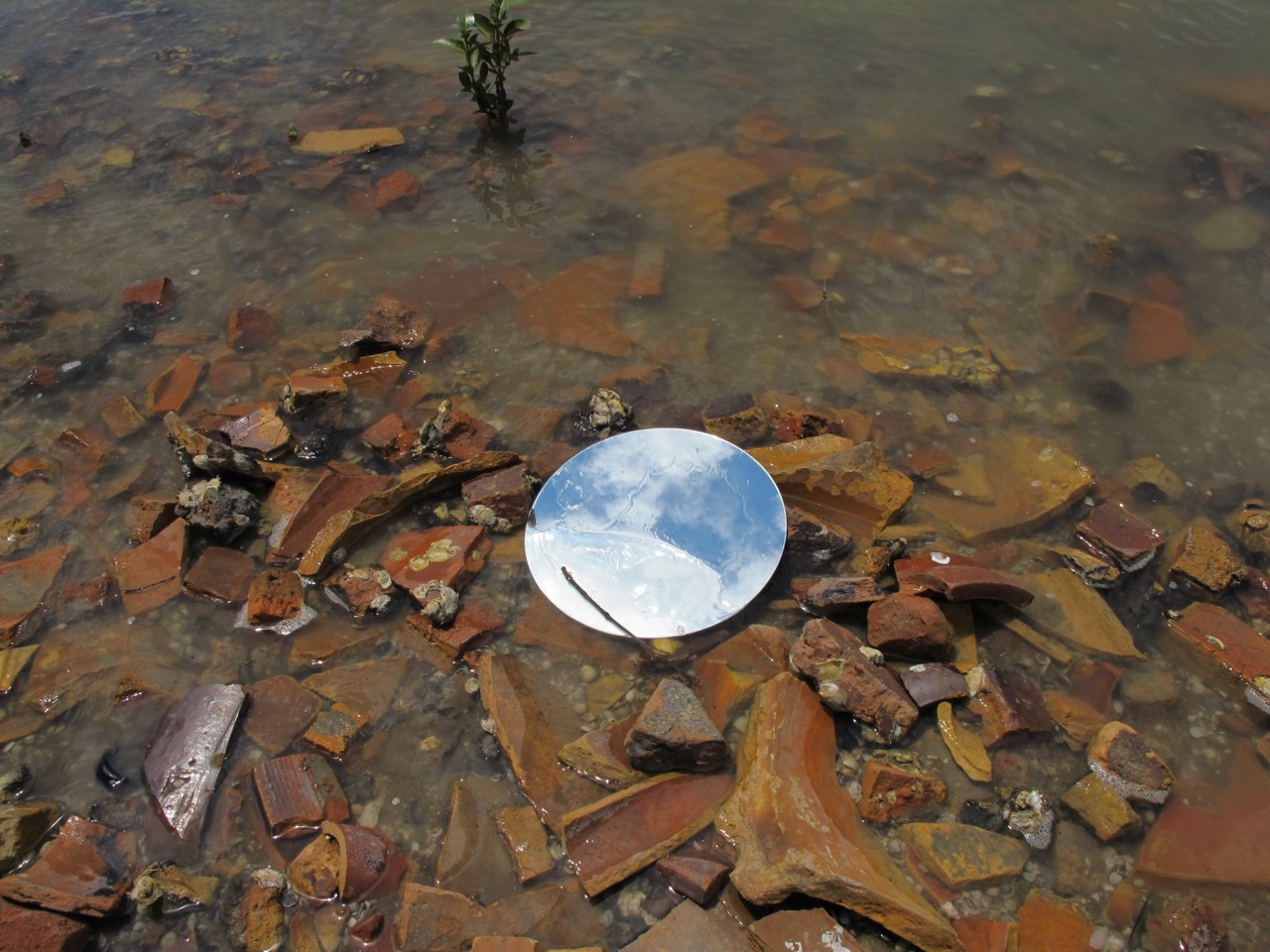
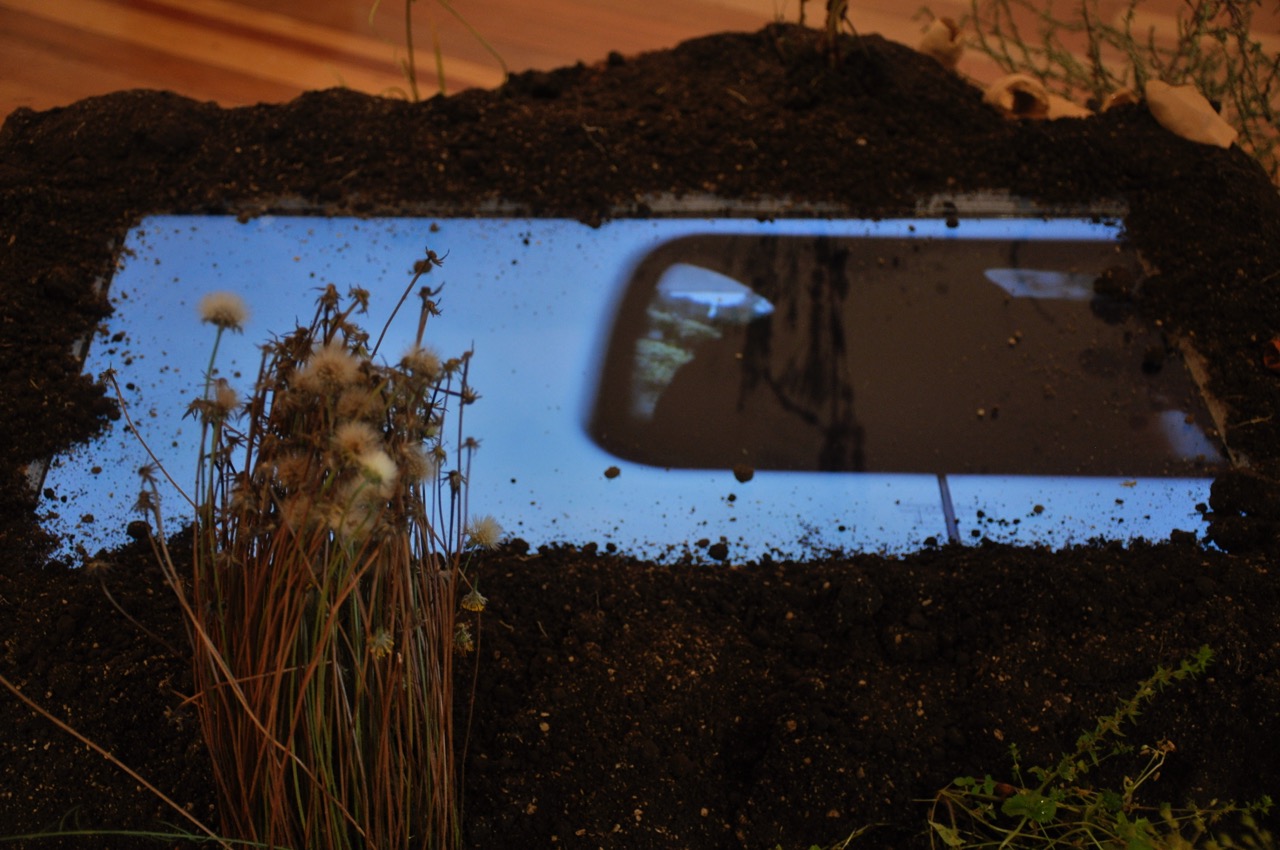
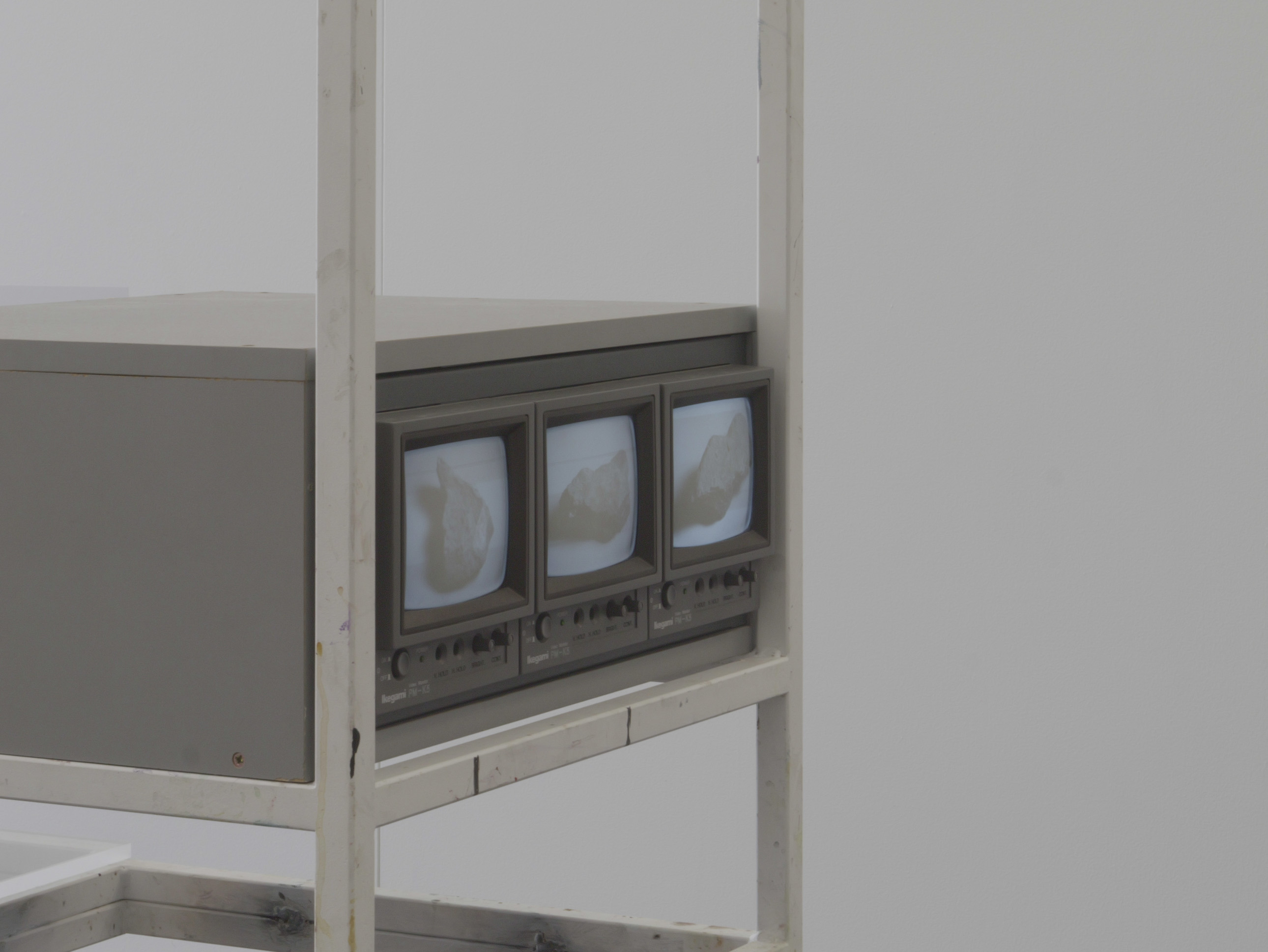
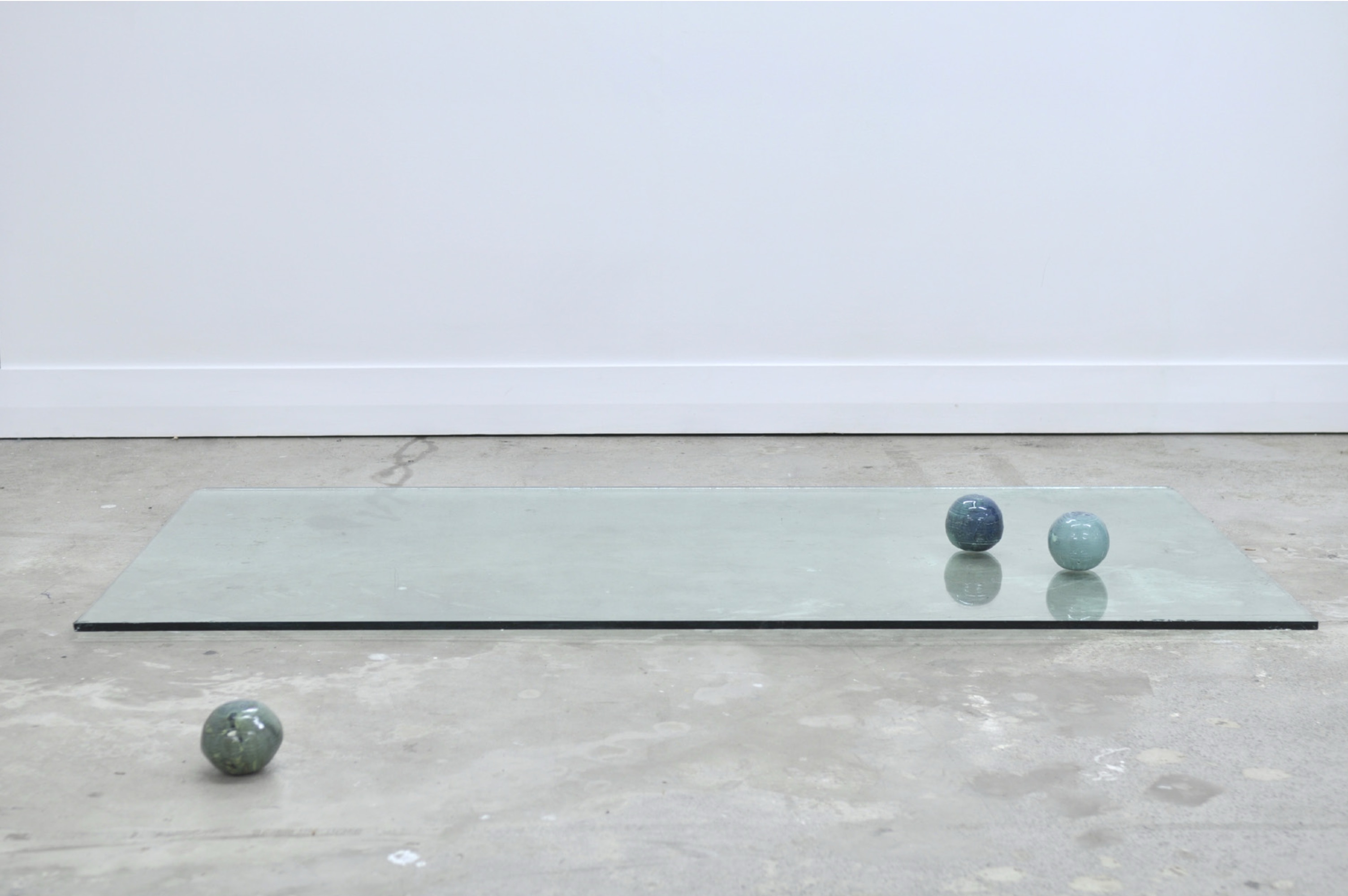
The Channels Project is conceived as an archive, combining sound, image, text and sculpture to create a system which explores the, now destroyed, Clark Brick and Pipe Works in Hobsonville-Point, west of Tāmaki Makaurau Auckland. The project consists of a series of artworks that draw on the ecological, poetic, and historical contexts of these spaces. The work centres the detritus of the factory, tracking its legacy of contaminating the nearby shoreline with ceramic waste from the factory, in parrallel with the rapid development of hobsonville point over a ten-year period between 2013 and 2023.
A key interest for the Channels project is the industrial ceramics waste at Brickbat Bay and Limeburners Bay, in Hobsonville Point, Auckland. The project consists of a series of artworks that draw on the ecological, poetic, and historical contexts of these spaces. Other sites and spaces of research have been inculcated into the Channels archive as it develops horizontally and vertically.
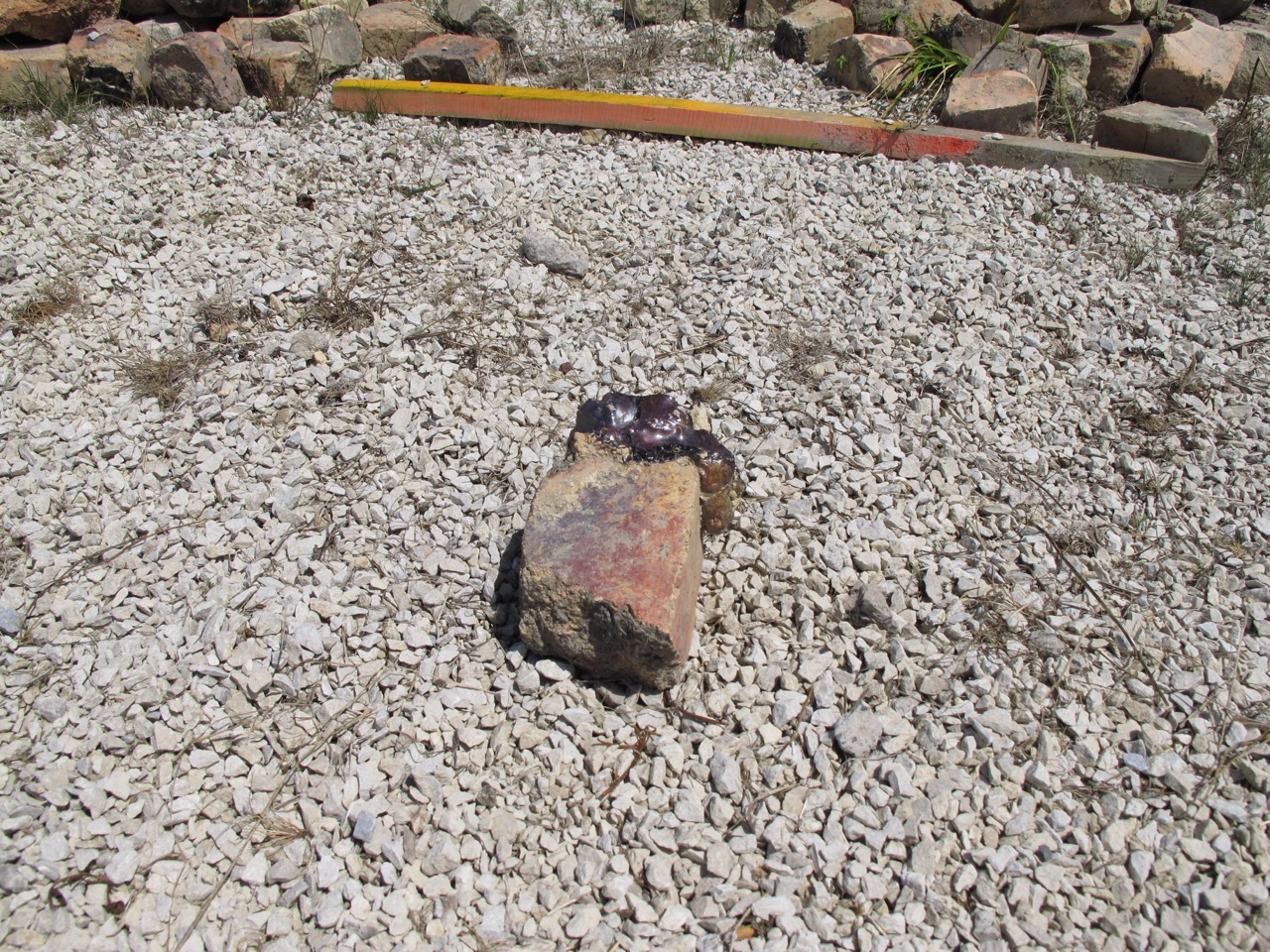
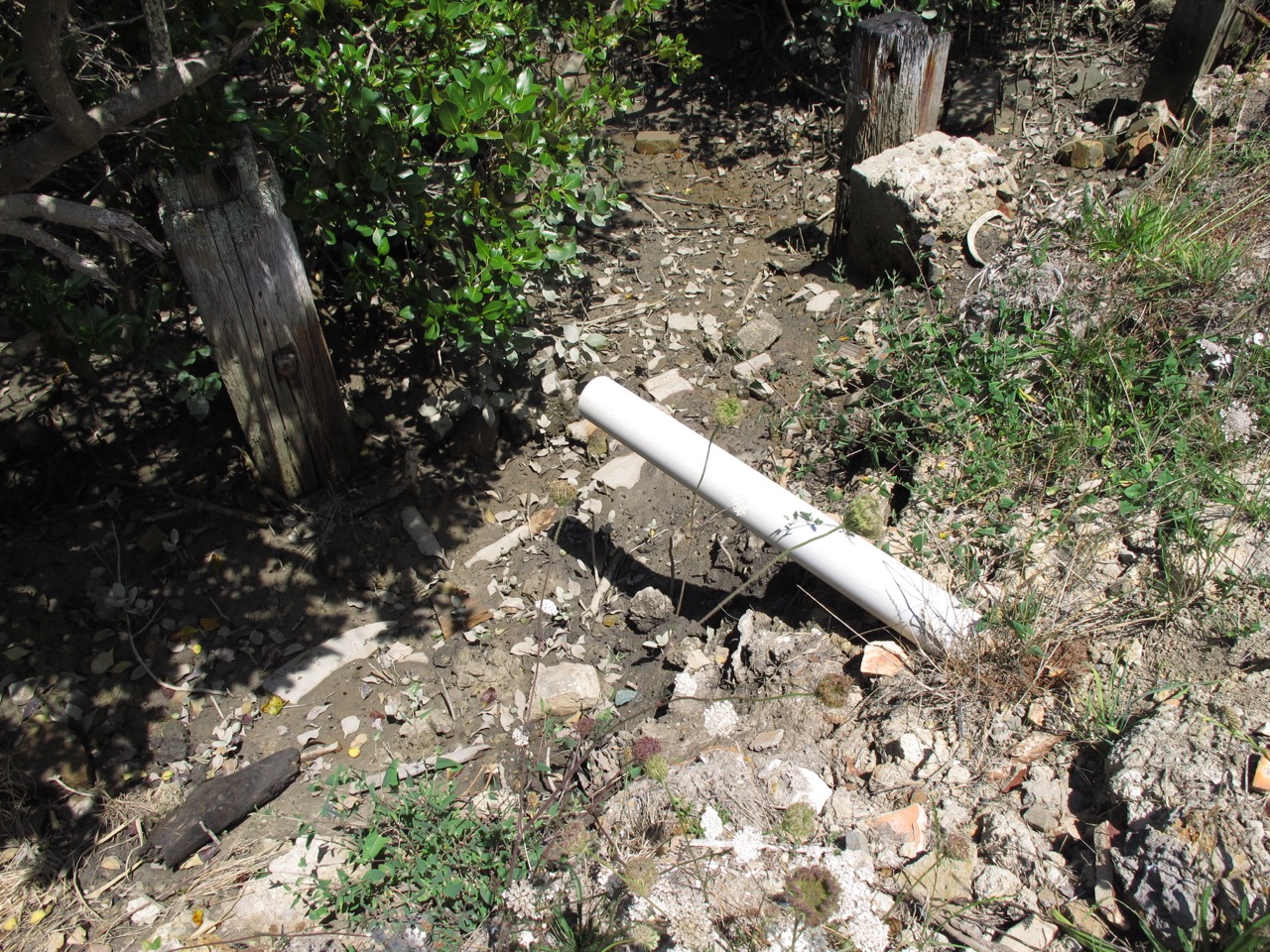
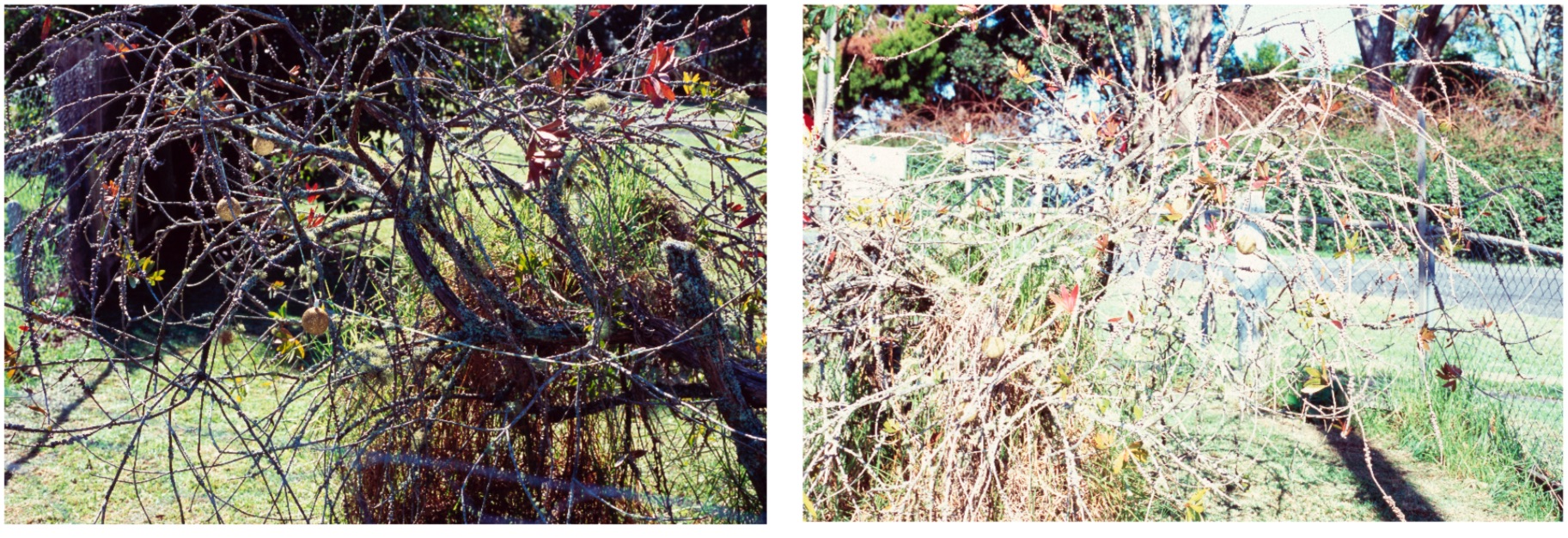
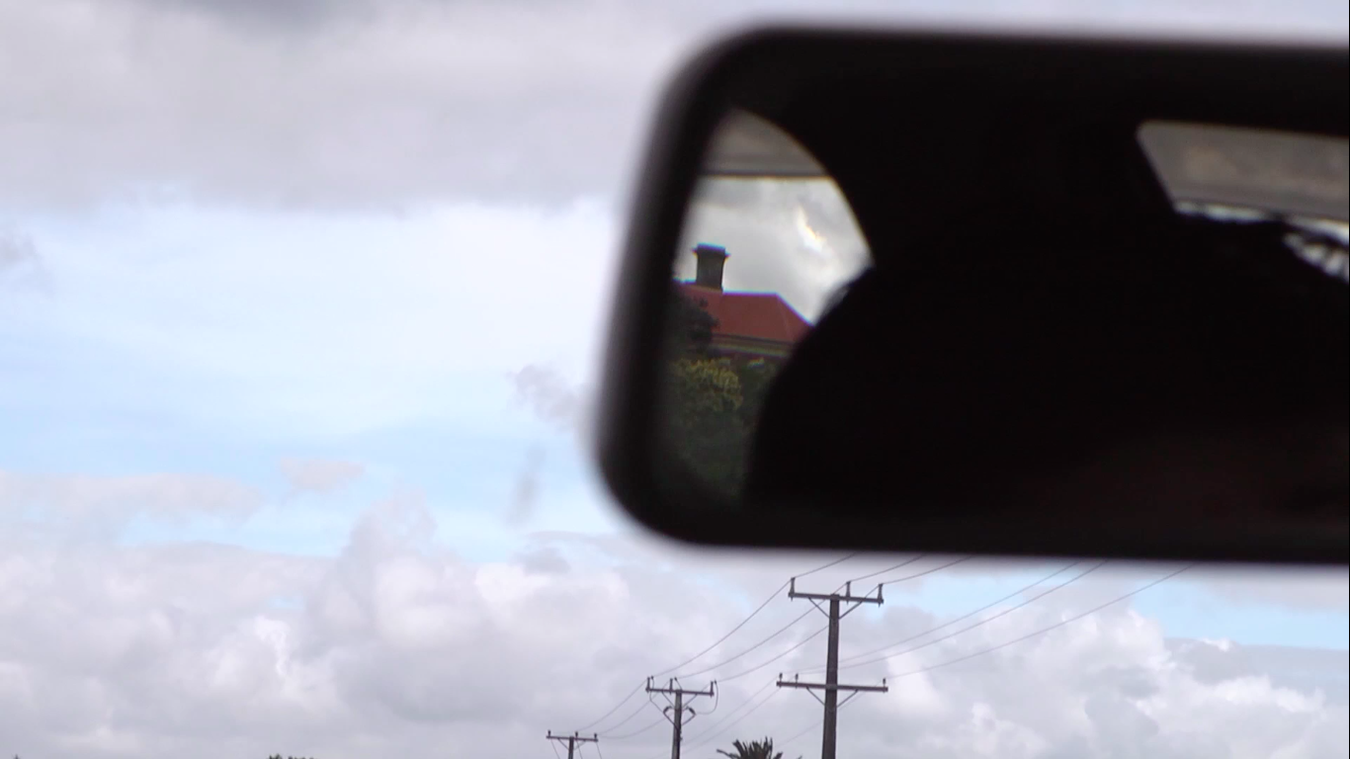
Since first visiting the area in 2013 a number of images/objects have interpolated different artworks and contexts, being reused and re-presented to make various connections. The images/objects are sometimes used in relationship to a specific history of the site, for example an attempt to recreate an irrigation system that was the mythological beginning of Amalgamated Brick and Pipe. Other times the art intervention relates simply to the act of looking and listening. The area is only sometimes demarcated as contextually important to understanding the work, other times the only information given is in the image.
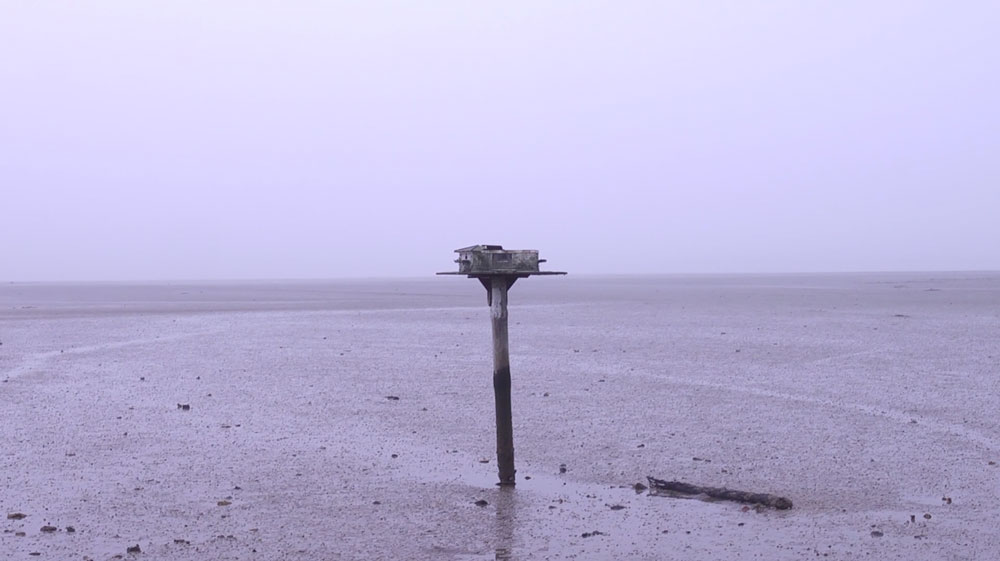
Hobsonville Point has undergone major re-development since 2013. This project began with an interest in the history of ceramic production at the site, which was the home to Amalgamated Brick and Pipe, becoming the now famous Crown Lynn. At Brickbat Bay you can find thousands of broken fire bricks, kiln-washed clay and shards of pipe that were dumped during the company’s heyday. In 2015, nearby Lorentz Garden Centre sold terracotta pots, letting the garden grow in a somewhat un-structured fashion. The tide washed over a submerged object at Brickbat bay as a sports car raced past from the mansion next door. Drainage ditches ran paths all allong Scott Rd, where you could find strange weeds growing through rubbish left behind by building companies and survayers. This area is was part of a rehousing project for returning Air Force officers, and Clark House is now operated by the Defence Environmental Medical Unit. The site was originally planned to accomadate 15% state housing in its development, however this has not been honored by our government. Bricks and pipes have returned to the site, however they are now made from concrete and plastic. In 2023, the mansion that once marked the end of Scott Rd has been demolished, and new houses have extended past Brickbat bay.
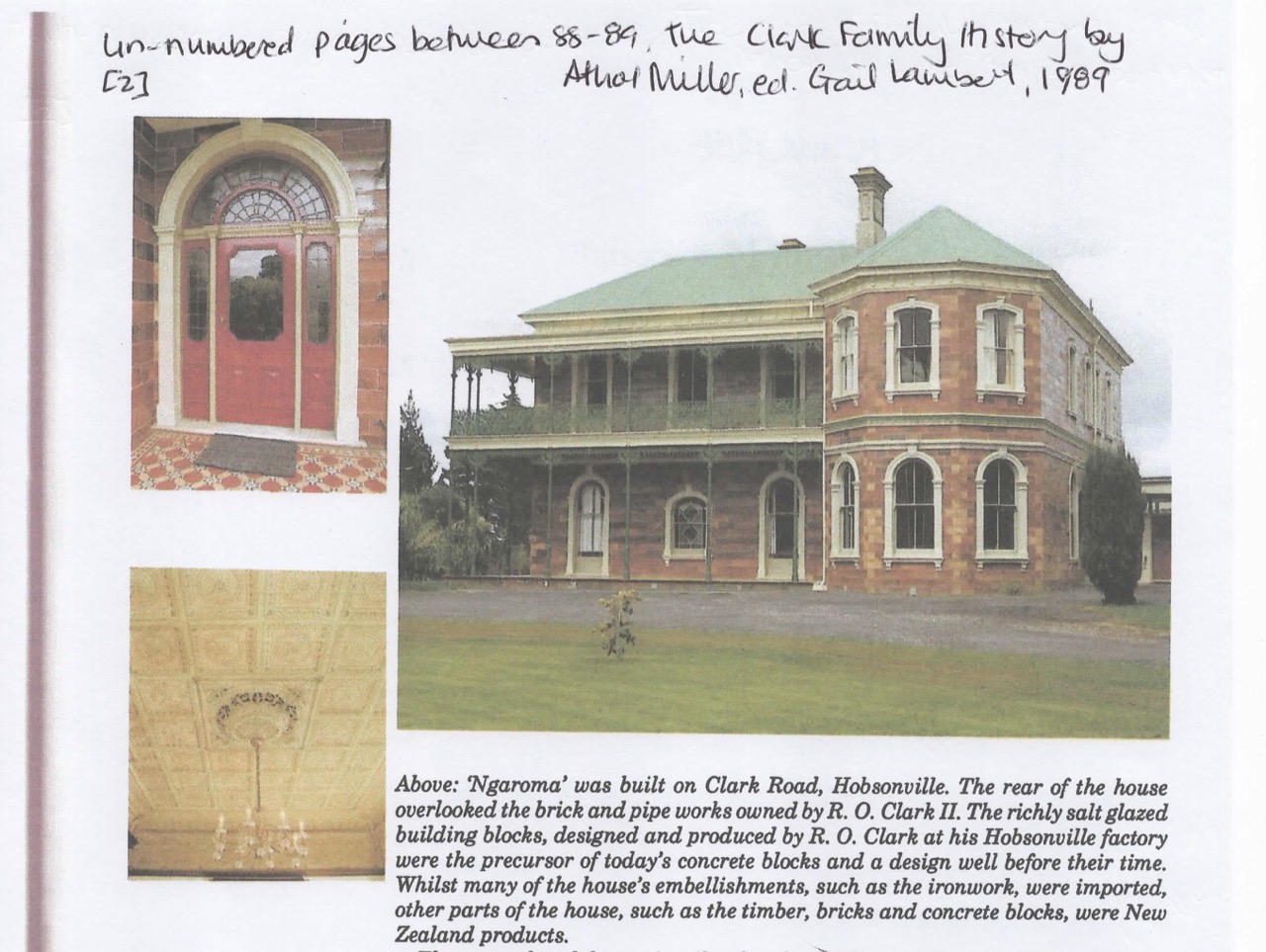
Entanglements describe a system or network of co-dependency, where things are not possible in autonomy. The industrial pollution at the Hobsonville site is entangled to the historical figure Rice Owen Clark, whose factory was responsible for many of the drainage pipes used in Auckland between the 1860s and 1929, when the factory closed. Clark's potteries, later forming Amalgamated Brick and Pipe and the well-known Crown Lynn, left Hobsonville after the clay ran out.1 Since then, the ceramic remains of the factory have grown barnacles, been smoothed and twisted by the tide, and provided refuge for mangroves returning to the area. Being entangled opens up potentialities, yet in the same breath it entraps us further into cycles of dependency.2 Entanglement promotes a textual expression of the world and experience beyond representation.3 Clark's grave reads "I have heard of thee by the hearing of the ear: but now mine eye seeth thee."4
Channels archive
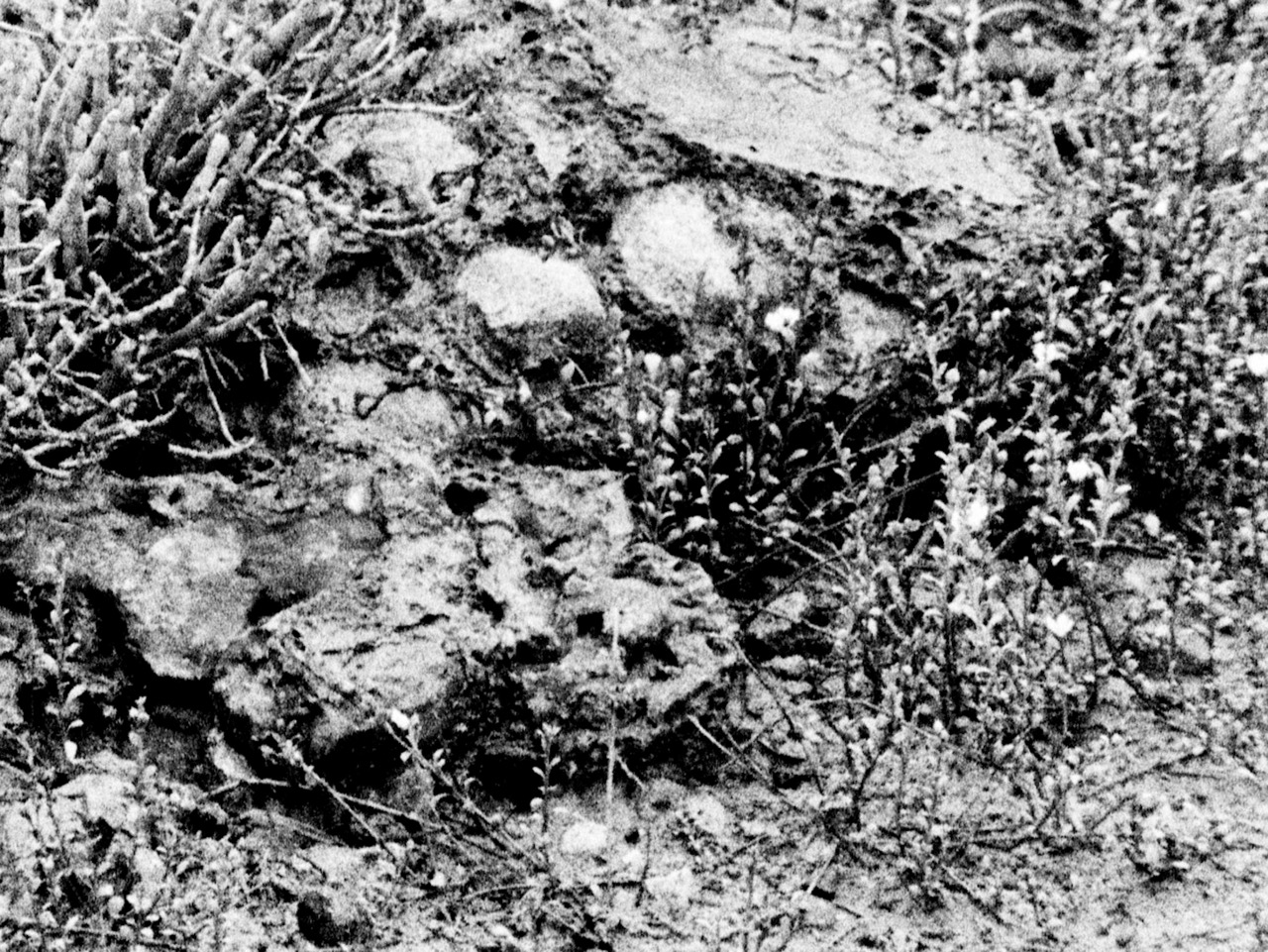
Amalgamated Brick and Pipe , 2022. Slides.
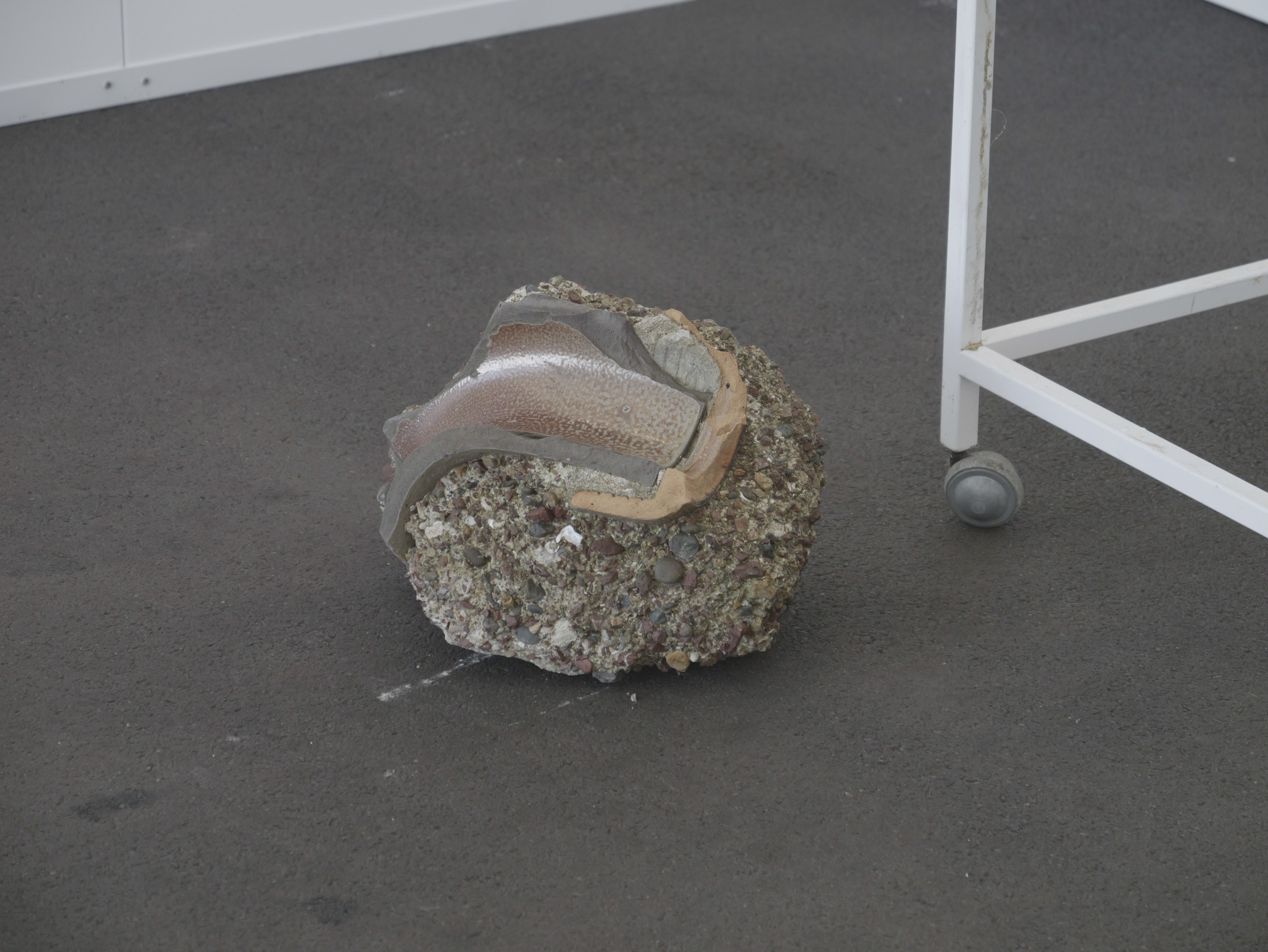
-2016.jpg)
1. See Dick Scott, Fire on the Clay: The Pakeha Comes to West Auckland (Auckland: Southern Cross, 1979).
2. Hodder, Studies in Human-Thing Entanglement, 9.
3. ibid.
4. See an image of R. O. Clark's grave here:
